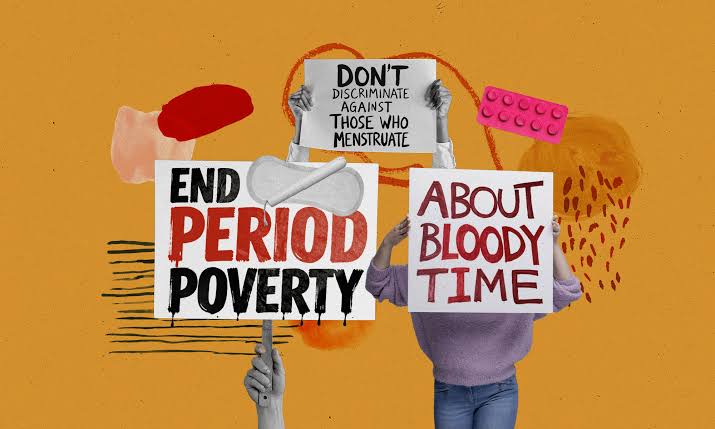
Why Is Paracetamol 80p but Period Products Bleed Us Dry?
sign the petition below so parliament respond to the menstrual product crisis!!
https://petition.parliament.uk/petitions/737761?fbclid=PAdGRleAQcLeNleHRuA2FlbQIxMQBzcnRjBmFwcF9pZA8xMjQwMjQ1NzQyODc0MTQAAafNK-C6u-oxKR1x4BNW-Q0PsehaRXPhMP0I_1iqEw-CHEjuNLRGD5NOOVhNIA_aem_jkhFMkhEBy0VUchvmww0fw: ‘Bloody’ ExpensiveThe other day I bought paracetamol. Eighty pence. Maybe a quid if you’re feeling fancy and go branded. And I remember standing there thinking: why is this so cheap? Painkillers are a medical necessity. People rely on them daily. They literally stop suffering. And yet they’re accessible, regulated, and affordable.
Then – inevitably – I thought about period products. Tampons. Pads. Liners. Things that people who menstruate cannot opt out of. And suddenly the maths stopped making sense. Why is paracetamol cheap, but a box of tampons can be £4, £5, sometimes more? Why do I routinely go skint every time my uterus decides to shed itself? Why does a pack of 20 tampons barely survive one period? And why have we all just… accepted this?
Why Is Paracetamol So Cheap?
Paracetamol is cheap for a few very boring, very logical reasons. The active ingredient is easy to manufacture at scale. The process has been standardised for decades. It’s produced globally, competitively, and in enormous quantities. There’s strong government regulation, price pressure, and – crucially – it’s recognised as a medical necessity. Everyone needs pain relief at some point. Demand is universal, not gendered, not stigmatised. In other words: when society agrees something is essential, it works pretty hard to make it accessible.
So why doesn’t that logic apply to period products?
Periods: Also a Necessity, Apparently a Luxury
Sanitary products are not optional. You don’t get a choice. You either manage your period safely or you bleed through your clothes, risk infection, and lose dignity. And yet they’re priced like lifestyle items.
This isn’t because they’re wildly expensive to make. Pads and tampons are made from cotton, rayon, plastics, adhesives – cheap materials, mass-produced. The margins are high. What you’re paying for isn’t complex to make or create; what your paying for is just packaging, branding, and the quiet assumption that menstruators will pay whatever it costs because they have to.
This is the so-called “pink tax” in action: products marketed at women costing more simply because they’re for women. Except this isn’t razors or shampoo which usually gets associated with the tax. This is basic bodily function management.
And the result? People budgeting around their periods. People rationing tampons. People choosing between food and pads.
When You Can’t Afford Period Products at All
Zoom out, and it gets worse.
In low-income countries – and in low-income communities everywhere – millions of women and girls don’t have access to safe sanitary products at all. They use rags, old clothes, newspapers, leaves, even mud. Not because they want to, but because there is no alternative. This has consequences. Serious ones. Infections. Missed school. Missed work. Long-term health problems. Shame that follows girls into adulthood, teaching them early that their bodies are inconvenient, dirty, and something to hide.
Menstrual health isn’t just about comfort. It’s about education, economic independence, and basic human rights. And yet it’s still treated as a side issue – charity-worthy, maybe, but not urgent.
Then There’s the Chemicals
As if the cost wasn’t bad enough, recent testing has found something even more infuriating: harmful chemicals in period products.
Studies over the last few years have detected PFAS – so-called “forever chemicals” – in some pads and tampons. These chemicals are linked to hormone disruption, fertility issues, and cancer. They don’t break down in the body – they just accumulate.
Let that sink in. We’re paying inflated prices to insert or press chemically treated products against one of the most absorbent parts of the body. Regularly. For decades.
And for years, there was almost no transparency. No requirement to list ingredients. No urgency. Because women’s pain and women’s health have always been easier to ignore.
So What Are We Actually Angry About?
We’re angry about the discrepancy.
Paracetamol is cheap because pain is taken seriously when it’s universal and ungendered. Periods are expensive because they’re seen as niche, embarrassing, and “women’s issues.” Menstrual health lives in the same category as inconvenience, not medicine. That tells us everything we need to know about how women’s health is valued.
We need price regulation. We need free period products in schools, workplaces, and public spaces. We need ingredient transparency and safety testing that treats menstrual products like the intimate medical items they are. And we need to stop pretending this is a luxury conversation.
If we can make pain relief accessible for pennies, we can damn well do better for periods.
Because bleeding every month isn’t a choice. And managing it shouldn’t come at the cost of our health, our money, or our dignity. And to be honest? It shouldn’t still make us this angry in 2026.
Comment closely on the writing in the final Chapter (16) of Remainder considering ways in which it demonstrates the styles and concerns of the novel as a whole.
Year 13 English Literature OCR A-Level Coursework : 94% Final Grade In Chapter Sixteen of Tom McCarthy’s ‘Remainder’, the[…]

“Kinship Defines the Heroic”. Compare the ways in which heroism is influenced by Characters’ relationships in Beowulf and Antigone
Year 12 English Literature OCR A-Level Coursework : 94% Final Grade In both Beowulf and Antigone, heroism is inseparable[…]

David Danced Before the Lord with All His Might
“David danced before the Lord with all his might.” – 2 Samuel 6:14 I’ve always loved this verse, though[…]
No responses yet