
The Feminine Archetype of Cold and Christmas
Winter has always been a time of extremes: cold, dark, and barren, yet brimming with potential for renewal, light, and life. Across cultures, the feminine archetype dominates the myths of winter, embodying themes of survival, transformation, and maternal care. From the winter goddesses of European folklore to the Virgin Mary, these figures shape our understanding of the season. In this article, I will explore how these mythological women, their stories steeped in both harshness and hope, have influenced modern Christmas traditions.
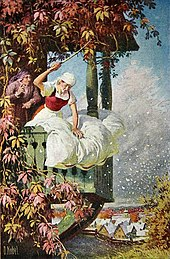
In mythologies worldwide, goddesses connoted to winter wield incredible power, balancing destruction with creation. They are figures of resilience, showing how life persists even in the harshest conditions. We start with Frau Holle, a central figure in Germanic folklore, who is a goddess of both life and death, embodying the duality of winter. Her domain is the afterlife, but she also governs the seasons and nature. Most famously, she is associated with snowfall, which, in her myths, comes from her shaking out her feathered bed in the heavens. Frau Holle’s story is preserved in the Grimms’ fairy tale Mother Holle, where she appears as both a punisher and a rewarder. The tale tells of two sisters: one industrious and kind, the other lazy and cruel. The kind sister falls into a well and finds herself in Frau Holle’s magical world, where she serves the goddess by keeping her house and shaking her feather bed until it snows on Earth. Upon leaving, the girl is rewarded with gold. When the lazy sister attempts the same journey but performs her tasks poorly, she is punished with tar. This myth captures key winter themes: the necessity of hard work and perseverance during a time of scarcity, and the promise of reward for those who endure. Frau Holle’s association with domestic labour, particularly spinning, ties her to traditional women’s roles, yet her control over nature and the afterlife positions her as a divine, almost omnipotent figure.
The Cailleach, whose name means “veiled one” in Gaelic, is a complex figure from Celtic mythology who embodies the harsh, transformative power of winter. Revered primarily in Scotland and Ireland, the Cailleach is both a creator and destroyer, a paradoxical figure who shapes the natural world while bringing death and dormancy during the colder months. The Cailleach is credited with crafting Scotland’s dramatic landscapes. According to legend, she formed mountains, lochs, and valleys by dropping stones from her apron as she walked across the land. In some versions of the myth, she uses her staff to shape the earth, striking it to create rocky crags and jagged cliffs. This creative aspect of the Cailleach ties her to the idea of winter as a time for laying foundations—a season when the earth rests in preparation for renewal. The Cailleach’s reign begins on Samhain (October 31), marking the start of winter in the Celtic calendar. During her rule, she controls the weather, summoning storms, frost, and snow to blanket the land. Her power over nature is formidable: she is said to ride through the skies on a great wolf, hurling icy winds as she goes. The Cailleach’s staff freezes the ground, preventing plants from growing, and her presence ensures that the earth remains barren until Imbolc (February 1), when spring begins to stir. In some myths, the Cailleach transforms into a young maiden at the end of her reign, symbolizing the cyclical nature of life and death. This transformation often occurs after she drinks from a magical well or bathes in a sacred spring. Beyond her role as a bringer of winter, the Cailleach is also a protector of sacred wells and streams. In some stories, she places large stones over wells to stop their waters from flowing during the winter months. If anyone dares to move these stones, they risk her wrath, which could bring floods or even death. This aspect of her myth underscores her role as a steward of the natural world, ensuring its resources are preserved during winter’s scarcity. The Cailleach embodies the paradoxical nature of winter: she is both a destroyer and a preserver, a figure of death who lays the groundwork for renewal. Her weather-making abilities symbolize the inevitability of hardship and the endurance required to survive it. Yet, she is not purely malevolent. The Cailleach’s actions ensure the earth rests and prepares for new life, highlighting the importance of cycles in both nature and human existence. In contemporary culture, one could argue that the Cailleach’s myths resonate with themes of environmental stewardship and respect for nature’s cycles. Her role as a guardian of wells and creator of landscapes positions her as a protector of the earth’s resources, reminding us of the importance of sustainability. Additionally, her transformation at the end of winter speaks to the potential for personal growth and renewal after periods of hardship, making her a symbol for overcoming tribulations.
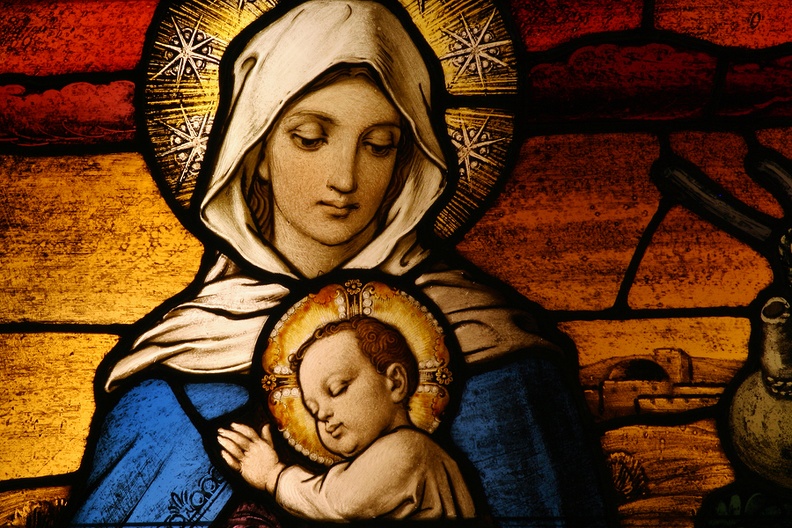
No figure is more central to Christmas than the Virgin Mary, whose story embodies themes of maternal sacrifice, divine hope, and the triumph of life over darkness. Yet Mary’s role in Christian tradition does not stand alone; it echoes older ancestors of mother goddesses across cultures, linking her to a long lineage of sacred maternity.
Mary’s journey begins with the Annunciation, where the angel Gabriel tells her she will conceive the Son of God. Her acceptance of this divine role demonstrates profound faith and courage. The story of Jesus’s birth—taking place in a humble stable amidst harsh conditions—mirrors the themes of endurance and light found in winter myths. Mary is often depicted cradling the infant Christ, her image evoking warmth and hope in a cold, dark world. Mary’s depiction as a nurturing, protective mother draws on earlier traditions of sacred maternity:
Isis, one of the most powerful deities in Egyptian mythology, is often shown cradling her son Horus in a pose strikingly similar to Madonna and Child imagery. Like Mary, Isis is a figure of both sorrow and hope, grieving for her husband Osiris yet fiercely protecting her child. Her worship spread across the ancient Mediterranean, influencing early Christian art and devotion to Mary.
Demeter, goddess of agriculture and fertility, embodies maternal sacrifice in the myth of her daughter Persephone’s abduction by Hades. During Persephone’s absence, Demeter’s grief plunges the world into winter. Her joy upon their reunion brings spring, paralleling Mary’s role in bringing divine light to Earth.
Frigg, the Norse goddess of motherhood and prophecy, also bears similarities to Mary. She foresees the death of her beloved son, Balder, and does everything in her power to prevent it. Her maternal love and sorrow echo Mary’s own journey, culminating in the crucifixion of Christ.
Mary, like these goddesses, embodies resilience and nurturing in the face of adversity. She stands as a symbol of hope, reminding us that even in the darkest times, new life and light can emerge.
The influence of these winter goddesses and Mary extends into modern Christmas practices, where feminine themes of nurturing, renewal, and endurance remain central.
For example, the emphasis on family and hospitality during Christmas owes much to the archetype of the nurturing mother. Acts of preparing feasts, decorating homes, and giving gifts reflect the roles of winter goddesses and Mary as caretakers and bringers of abundance.
Moreover, many Christmas symbols echo the myths of winter goddesses and Mary:
• Evergreens, which remain lush during winter, symbolize resilience and life, much like the endurance embodied by Frau Holle.
• Stars, especially the Star of Bethlehem, represent guidance and divine light, recalling both Mary’s purity and the celestial connections of goddesses like the Cailleach.
• Snow, associated with Frau Holle as mentioned previously, evokes purity and transformation, blanketing the world in silence and preparing it for renewal.
To conclude, Winter goddesses and the Virgin Mary embody the essence of the season: the coexistence of hardship and hope, darkness and light. Frau Holle’s rewarding of hard work and the Cailleach’s transformation into spring reflect the resilience and renewal found in winter. Meanwhile, Mary’s role as the mother of Christ symbolizes divine hope, connecting the mortal and the eternal. Through their myths and stories, these figures continue to inspire modern Christmas traditions, reminding us of the enduring power of feminine strength, nurturing, and transformation. As we celebrate the season, their legacies invite us to reflect on our own resilience and capacity for renewal, finding light even in the darkest days of the year. I hope you enjoyed a little insight into feminine archetypes of Christmas as well as my other articles of this year! I look forward to what’s to come and thank you for all the support on my blog so far.
Merry Christmas !
Comment closely on the writing in the final Chapter (16) of Remainder considering ways in which it demonstrates the styles and concerns of the novel as a whole.
Year 13 English Literature OCR A-Level Coursework : 94% Final Grade In Chapter Sixteen of Tom McCarthy’s ‘Remainder’, the[…]

“Kinship Defines the Heroic”. Compare the ways in which heroism is influenced by Characters’ relationships in Beowulf and Antigone
Year 12 English Literature OCR A-Level Coursework : 94% Final Grade In both Beowulf and Antigone, heroism is inseparable[…]

David Danced Before the Lord with All His Might
“David danced before the Lord with all his might.” – 2 Samuel 6:14 I’ve always loved this verse, though[…]
No responses yet